Contested Commons: A History of Protest and Public Space in England
by Katrina Navickas
https://reaktionbooks.co.uk/work/contested-commons
Contested Commons: a History of Protest and Public Space in England by Katrina Navickas is published by Reaktion Books.
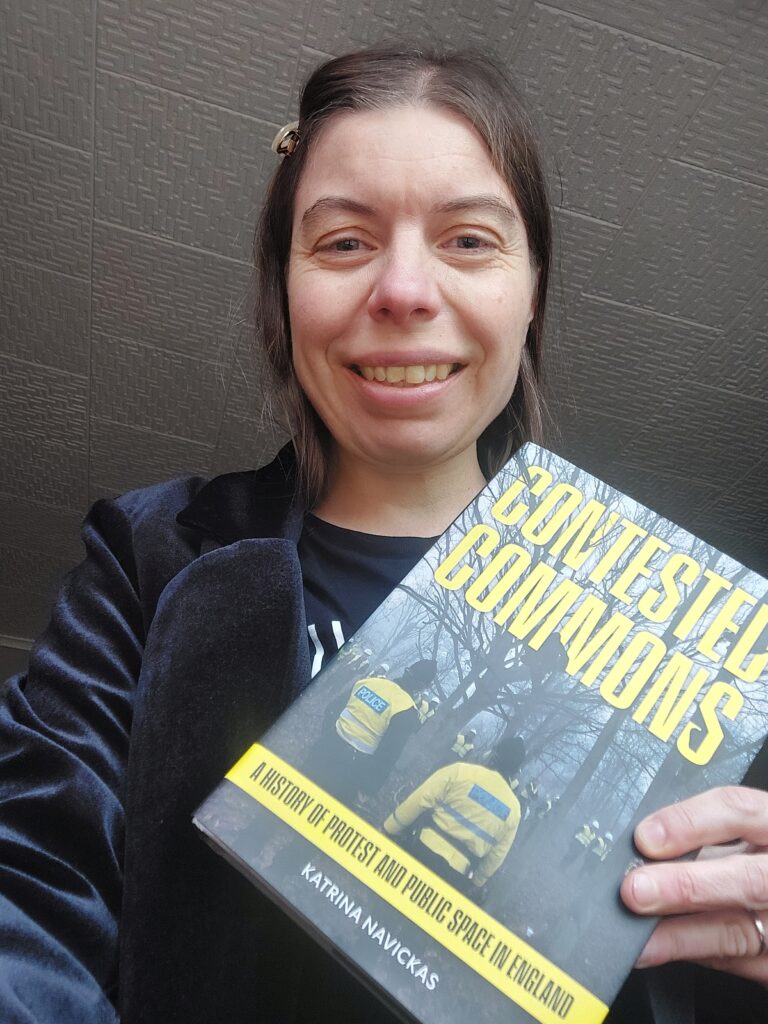
Formidably erudite, compellingly argued, and dryly humorous, Contested Commons will change the way you think about the politics of space, the “myth of the commons”, and the history of England since the eighteenth century: Matthew Kelly, author of The Women Who Saved the English Countryside
Starting with Kennington Common, and ranging from Steeple Bumpstead to Sheffield, Stonehenge and Brixton, and with a cast that includes ramblers, ranters, revolutionaries and ravers, this is a superb, sweeping but fine-grained history. It’s also a highly necessary, politically urgent reminder of what public space is – places for everyone, owned by everyone, accessible to everyone, whether carefully tended or wild – and what it isn’t, the tradition of pseudo-public space that runs from Victorian parks to privatised malls.’ OWEN HATHERLEY, author of A Guide to the New Ruins of Great Britain
Talks calendar:
Thurs 5 November, Bookhaus, Bristol, 6pm, with Bristol Radical History Society: https://www.brh.org.uk/site/events/book-launch-contested-commons-a-history-of-protest-and-public-space-in-england/
Sat 7 November 2026 – Newport Rising Chartist Convention, Newport, Gwent
Why public space? Why protest?
A radical history of England, Contested Commons is a gripping overview of increasingly restrictive policing and legislation against protest in public spaces. It tells the long history of contests over Trafalgar Square, Hyde Park, Cable Street, Kinder Scout, as well as more everyday sites in towns and countryside across England.
Navickas reveals how protesters claimed these spaces as their own commons, resisting their continuing enclosure and exclusion by social and political elites. She investigates famous and less well-known demonstrations and protest marches by the early democracy and trade union movements, the Suffragettes, through to anti-fascist, Black rights and environmental campaigners in more recent times. Contested Commons offers positive as well as troubling lessons on how we protect the right to protest.
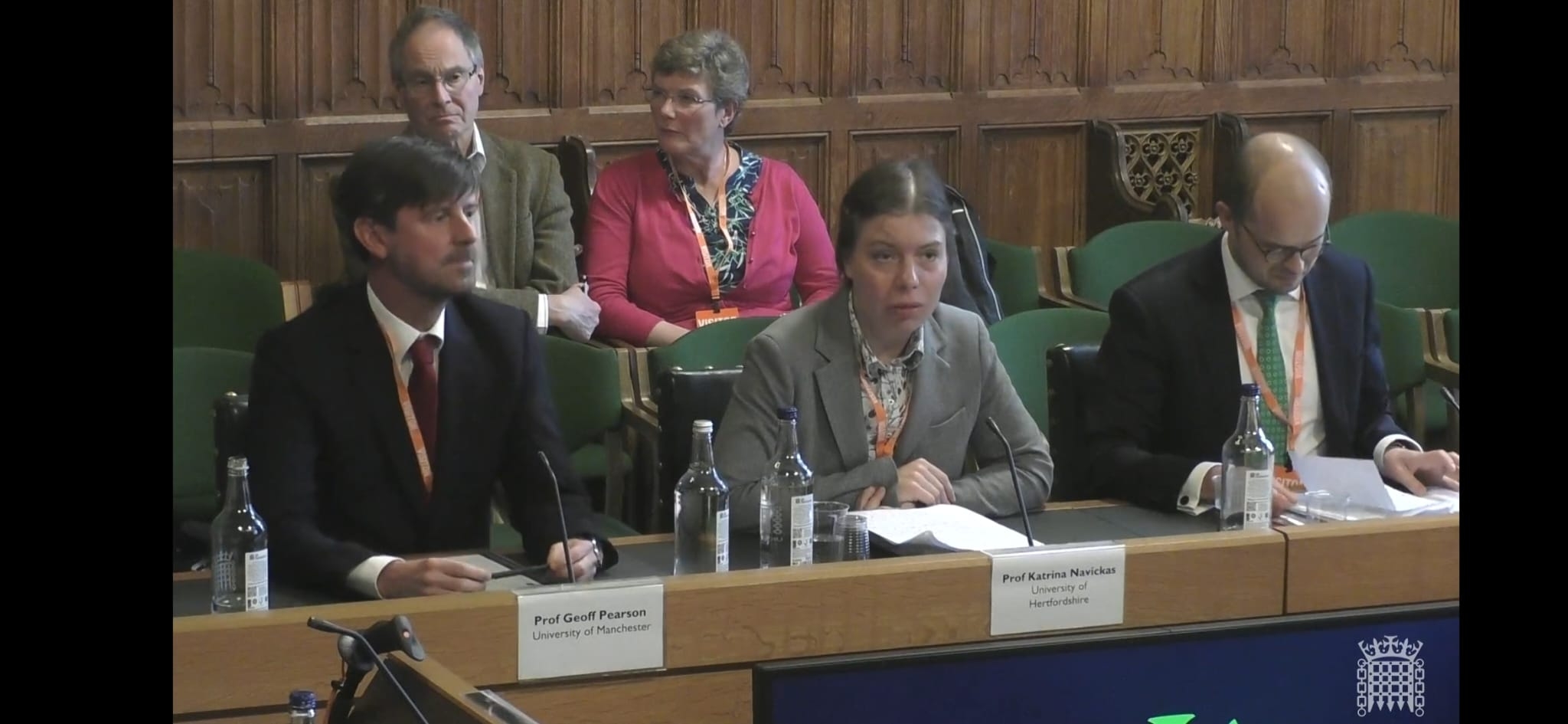
Katrina Navickas giving expert witness at the inquiry into safety security and protest at the parliamentary joint committee on human rights, 15 April 2026
Who am I?
Professor Katrina Navickas was until recently Professor of History at the University of Hertfordshire. I am currently independent for the summer, and happy to take on writing, research and broadcasting projects.
I write about the history of protest, political movements, landscape and public space. I am involved in radical history and community heritage projects across the UK. I have appeared on BBC Radio 3 and 4, and written for the LRB, Tribune, The Modernist, and other publications. To read more, go to About me.